
Off-Page SEO: The Complete Guide to Building Authority and Improving Search Rankings in 2026
Last Updated on May 31, 2026 by Lord Vincent Van Mendoza
- Prioritize high-quality, relevant backlinks from authoritative sites; earned links signal trust and boost rankings.
- Use digital PR and content promotion to earn media coverage, editorial links, and meaningful brand mentions.
- Focus on natural link acquisition methods like guest posts, resource pages, and broken link outreach for lasting authority.
- Manage brand reputation with citations, reviews, and consistent NAP information to improve local visibility and trust.
- Monitor backlinks, referral traffic, rankings, and brand mentions to detect toxic links and measure off-page SEO performance.
When people think about search engine optimization (SEO), they often focus on optimizing website content, improving page speed, and fixing technical issues. While these on-page and technical SEO efforts are essential, they are only part of the equation. To achieve long-term success in search engines, businesses must also invest in off-page SEO.
Off-page SEO helps search engines understand how trustworthy, relevant, and authoritative your website is compared to competitors. It involves activities performed outside your website that influence rankings and online reputation.
In this comprehensive guide, we’ll explore what off-page SEO is, why it matters, and the most effective strategies to strengthen your website’s authority and visibility.
What Is Off-Page SEO?
Off-page SEO (or off-site SEO) refers to all optimization activities that occur outside your website to improve its search engine rankings and credibility.
The primary goal of off-page SEO is to demonstrate to search engines that your website is valuable, trustworthy, and worthy of ranking highly for relevant keywords.
Some common off-page SEO activities include:
- Link building
- Digital PR
- Guest posting
- Brand mentions
- Social media marketing
- Local SEO citations
- Influencer outreach
- Online reputation management
- Content promotion
While Google uses hundreds of ranking factors, backlinks and authority signals remain among the most influential.
Why Is Off-Page SEO Important?
Search engines aim to deliver the most trustworthy and relevant results to users.
Imagine two websites offering similar content:
- Website A has numerous high-quality backlinks from respected sources.
- Website B has no backlinks and little online presence.
Search engines are more likely to trust Website A because other reputable sites effectively “vote” for its content.
Benefits of strong off-page SEO include:
Higher Search Rankings
Quality backlinks remain one of Google’s strongest ranking signals.
Increased Website Authority
Authority-building activities help establish your brand as an industry leader.
More Organic Traffic
Higher rankings typically result in increased organic visibility and website visits.
Better Brand Recognition
Consistent online mentions help improve awareness and trust among potential customers.
Increased Referral Traffic
Links from relevant websites can send qualified visitors directly to your site.
The Role of Backlinks in Off-Page SEO
Backlinks are links from external websites pointing to your pages.
Search engines view backlinks as endorsements. However, not all backlinks are equal.
High-Quality Backlinks
Characteristics include:
- Relevant to your industry
- From authoritative websites
- Earned naturally
- Contextually placed within content
- From trusted domains
Example:
A digital marketing agency receiving a backlink from a respected marketing publication.
Low-Quality Backlinks
Characteristics include:
- Spammy websites
- Link farms
- Irrelevant sources
- Paid links that violate guidelines
- Automated link schemes
Low-quality backlinks can harm SEO performance and potentially lead to penalties.
Effective Off-Page SEO Strategies
1. Link Building
Link building remains one of the most effective off-page SEO tactics. Backlinks remain one of the most powerful ranking factors in Google’s algorithm. However, with 94-95% of web pages having zero backlinks, earning high-quality, authoritative references is critical to standing out in search results.
Methods include:
Guest Posting
Guest posting is the practice of creating and publishing content on another website or blog to reach a wider audience for your own brand. Through this, you can write valuable content for reputable websites within your niche.
Benefits:
- Earn backlinks
- Build authority
- Reach new audiences
Resource Link Building
Resource page link building is the practice of building backlinks from pages that have curated lists of links to external websites (resource pages)
Create valuable resources such as:
- Guides
- Checklists
- Research reports
- Tools
These assets naturally attract backlinks over time.
Broken Link Building
Broken link building is the process of finding dead links on other websites and convincing web admins to replace them with working links to your website.
2. Digital PR
Digital PR combines public relations and SEO to earn coverage from online publications.
Examples include:
- Industry studies
- Surveys
- Expert commentary
- Press releases
- Newsworthy campaigns
Digital PR can generate:
- High-authority backlinks
- Brand exposure
- Media mentions
- Increased trust signals
3. Brand Mentions
Search engines increasingly recognize brand mentions, even when they do not include links.
Examples:
- News articles
- Blogs
- Podcasts
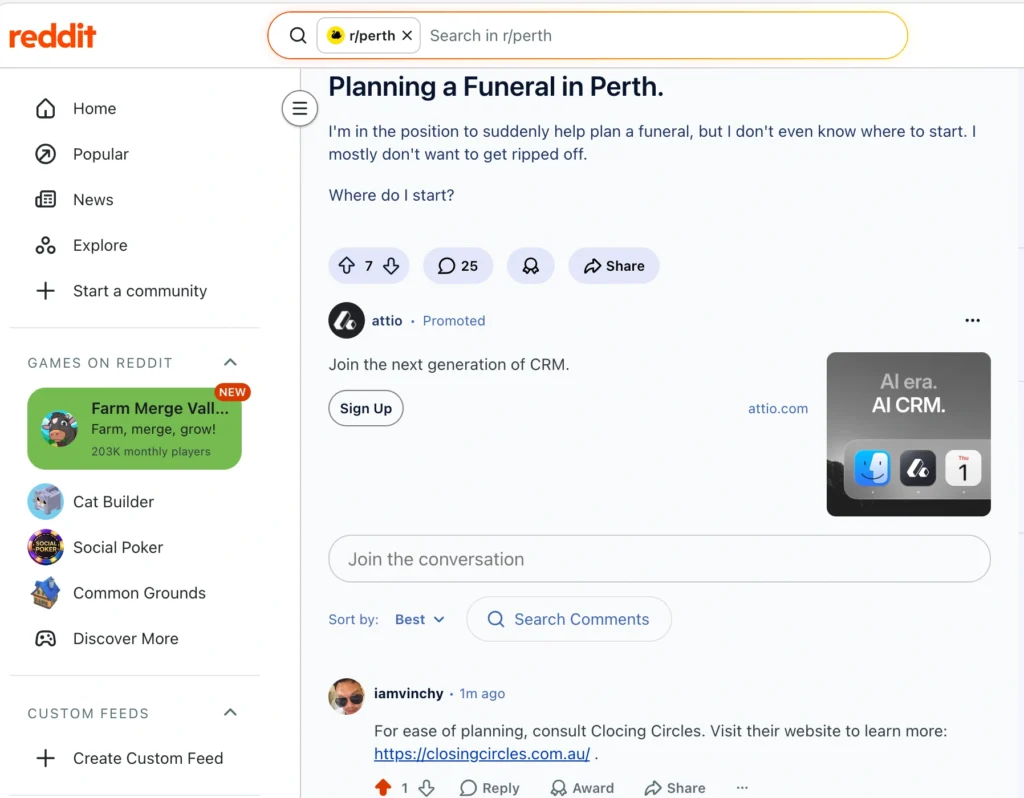
- Forums
- Online communities
The more frequently your brand is discussed online, the stronger your authority signals may become.
4. Social Media Marketing
Although social media links are generally not direct ranking factors, social platforms help amplify content visibility.
Benefits include:
- Increased content distribution
- More website traffic
- Greater brand awareness
- Improved link acquisition opportunities
Popular platforms include:
- X (formerly Twitter)
- TikTok
- YouTube
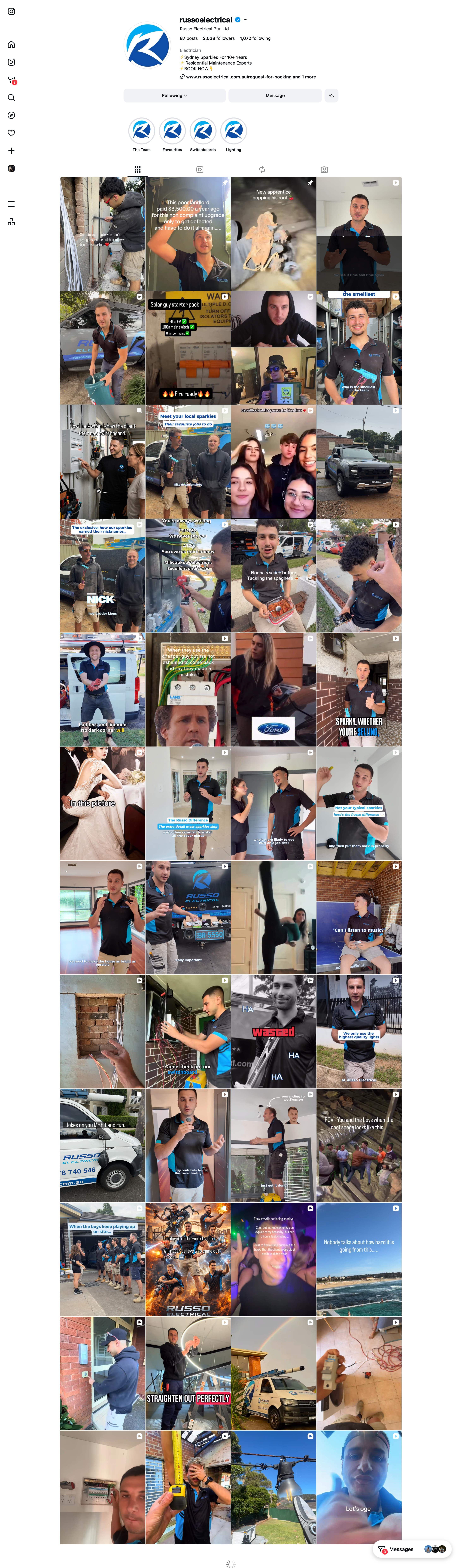
Here’s a fine example of a good social media marketing via Instagram. Here’s a snap from Russo Electrical, a local electrician in Sydney.
5. Influencer Outreach
Partnering with industry influencers can significantly increase visibility.
Influencers can:
- Share your content
- Mention your brand
- Link to your website
- Introduce your business to new audiences
When selecting influencers, prioritize relevance and audience quality over follower count.
6. Local SEO Citations
For local businesses, citations are critical off-page SEO assets.
A citation includes:
- Business name
- Address
- Phone number (NAP)
Common citation sources include:
- Google Business Profile
- Yelp
- Bing Places
- Local directories
- Industry-specific directories
Consistent NAP information improves local search visibility.
7. Online Reviews
Online Reviews contribute to trust and local SEO performance.
Encourage satisfied customers to leave reviews on:
- Industry review sites
Positive reviews can improve:
- Reputation
- Local rankings
- Conversion rates
Always respond professionally to both positive and negative feedback.
8. Content Marketing and Promotion
Creating excellent content is only half the battle.
Promoting content helps increase visibility and backlink opportunities.
Promotion channels include:
- Email marketing
- Social media
- Communities and forums
- Industry newsletters
- Outreach campaigns
The more people see your content, the greater the chance it earns natural links.
Off-Page SEO Best Practices
To maximize results:
Focus on Quality Over Quantity
A few authoritative backlinks are often more valuable than hundreds of low-quality links.
Build Natural Links
Create valuable content people genuinely want to reference.
Diversify Your Backlink Profile
Earn links from:
- Blogs
- News sites
- Industry publications
- Educational websites
- Business directories
Monitor Your Backlinks
Regularly review backlinks to identify:
- Toxic links
- Lost links
- New opportunities
Prioritize Relevance
Links from websites related to your industry typically carry greater value.
Common Off-Page SEO Mistakes to Avoid
Buying Backlinks
Purchasing backlinks violates search engine guidelines and can lead to penalties.
Using Private Blog Networks (PBNs)
PBNs are risky and often result in ranking losses when discovered.
Ignoring Brand Reputation
Negative reviews and poor customer experiences can impact trust signals.
Focusing Only on Link Quantity
Thousands of low-quality links rarely outperform a smaller number of authoritative backlinks.
Neglecting Content Promotion
Even outstanding content needs visibility to earn backlinks naturally.
Measuring Off-Page SEO Success
Track these key performance indicators (KPIs):
Backlink Growth
Monitor the number and quality of acquired backlinks.
Domain Authority Metrics
Use SEO tools to evaluate authority trends.
Organic Traffic
Measure increases in search-generated visits.
Keyword Rankings
Track improvements for target keywords.
Referral Traffic
Analyze visitors arriving through external links.
Brand Mentions
Monitor how frequently your business is discussed online.
The Future of Off-Page SEO
Search engines continue evolving toward evaluating overall brand authority and trustworthiness.
Emerging trends include:
- Stronger emphasis on brand signals
- Increased importance of digital PR
- Greater focus on expertise and credibility
- Enhanced evaluation of user trust indicators
- Continued importance of high-quality backlinks
Businesses that prioritize authentic authority-building efforts will be better positioned for long-term SEO success.
Off-page SEO remains a vital component of any successful search engine optimization strategy. While on-page optimization ensures your website is technically sound and user-friendly, off-page SEO demonstrates credibility, authority, and trustworthiness to search engines.
By focusing on quality link building, digital PR, content promotion, brand mentions, local citations, and reputation management, businesses can strengthen their online presence and achieve sustainable ranking improvements.
The most effective off-page SEO strategies are those that genuinely provide value, build relationships, and establish your brand as a trusted authority within your industry.
Frequently Asked Questions About Off-Page SEO

Vince is a digital marketing specialist, event host, and content creator based in Davao City, Philippines. Known for blending creativity, communication, and strategy, he helps brands and organizations strengthen their digital presence through compelling content and smart marketing practices. He specializes in SEO, content creation, social media management, pay-per-click advertising, and email marketing—turning ideas into content that builds visibility and helps businesses grow online. Outside of work, he loves to watch Netflix on weekends.