
As a digital marketer, embracing inclusivity is key to building meaningful connections with your audience. Inclusive marketing involves ensuring that all marketing and advertising materials reflect diversity and foster a sense of belonging. It’s about giving voice and visibility to groups that have historically been underrepresented.
Why Inclusive Marketing Matters
Marketing decisions influence how people perceive themselves and others. Traditional campaigns often reinforce stereotypes or overlook marginalized communities. Inclusive marketing actively works against this by incorporating multiple perspectives and celebrating diversity.
Focusing marketing efforts exclusively on a narrow demographic—whether by age, gender, ethnicity, or other identity traits—can limit a company’s reach. By intentionally considering inclusion, marketers can authentically connect with the full spectrum of their audience, reflecting the diversity of the real world.
Making Inclusive Choices and Avoiding Stereotypes
To practice inclusive marketing, you must understand your audience on a deeper level, including how certain groups may have been excluded or misrepresented in the past. Some key identity traits to keep in mind include:
- Race and ethnicity
- Socioeconomic status
- Age
- Ability
- Gender
- Sexual orientation
- Religion
- Geographic location
- Culture
- Political perspective
- Military status
- Languages spoken
What are your considerations in making sure your marketing campaigns are inclusive?
— Lord Vincent Van Mendoza (@digitallourd) February 8, 2026
Gathering demographic data helps broaden your perspective, including considering groups that aren’t yet customers. For example, over a billion people live with disabilities worldwide. If marketing materials fail to include them, these audiences may feel excluded and disconnected from your brand.
From my experience at Jose Maria College Foundation, Inc., this principle became especially clear when the Dean of the College of Business Administration suggested that Muslim and LGBTQIA+ members should be represented in the school’s marketing collateral. This guidance highlighted the importance of recognizing all members of a community and creating materials that authentically reflect their presence.
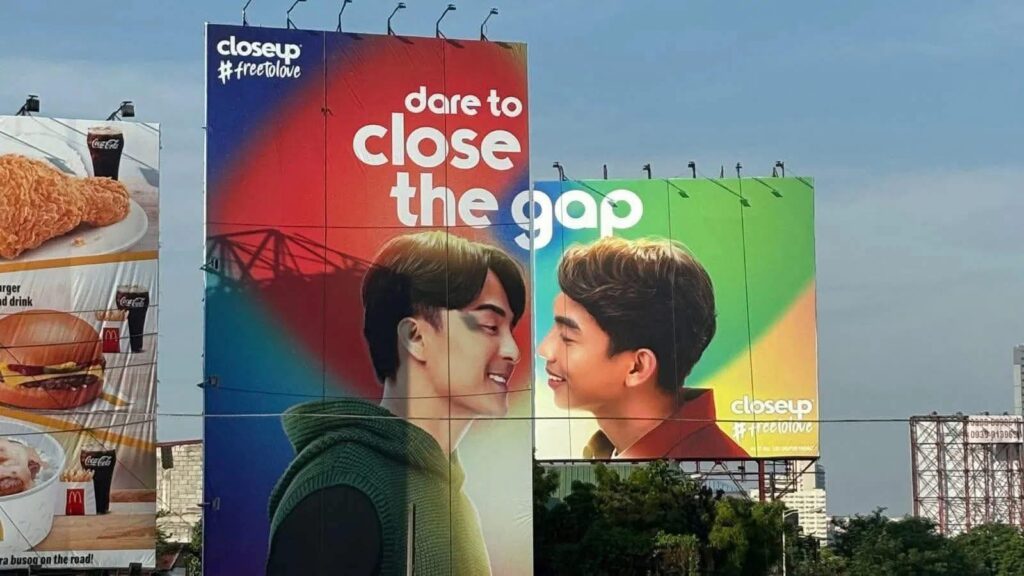
On another note, during Pride Month Celebration, CloseUp dares Filipinos to look at love at a different angle.
Toothpaste brand Close Up is highlighting inclusivity with its latest Pride campaign. Titled “Close the Gap,” the campaign features two billboards located along the C5-Kalayaan Avenue interchange in Manila, Philippines.
The initiative seeks to show solidarity with the LGBTQ+ community in the Philippines during Pride Month. Beyond this, it encourages Filipinos to bridge the gap in acceptance and serves as a reminder that everyone deserves the freedom to love, inspiring a more open and inclusive perspective.
How Inclusive Marketing Shapes Digital Campaigns
In digital marketing, every creative choice matters. Who appears in your visuals? What stories are highlighted? Whose voices are amplified? Inclusive marketing requires marketers to ask these questions deliberately and thoughtfully.
Some key areas to consider include:
- Race and Ethnicity – Are diverse cultural identities represented?
- Socioeconomic Status – Are people from different financial backgrounds visible?
- Age – Does your marketing appeal to multiple generations?
- Ability – Are people with disabilities considered in your content and accessibility features?
- Gender and Sexual Orientation – Are LGBTQIA+ voices included authentically?
- Religion and Culture – Are diverse religious and cultural practices acknowledged respectfully?
- Geography and Language – Are you reaching audiences across different regions and languages?
Inclusive marketing also extends beyond current customers. It’s about identifying who is missing from your audience and finding ways to reach them meaningfully. For example, over a billion people worldwide live with disabilities. If your products, services, or campaigns do not consider accessibility, this audience may feel excluded entirely.
Key Takeaways for Modern Marketers
- Know your audience deeply – Go beyond demographics to understand the experiences, needs, and challenges of your audience.
- Reflect diversity authentically – Representation should feel natural and inclusive, not forced.
- Consider the unserved – Think about who your marketing isn’t reaching and why.
- Build belonging through stories – Use narratives and visuals that resonate with all members of your audience.
- Measure impact – Assess how inclusive campaigns perform and iterate continuously.
Whether setting marketing goals, researching audiences, planning campaigns, or analyzing results, always prioritize inclusive marketing principles. A broader, more inclusive perspective enables marketers to connect authentically with a diverse audience and build stronger relationships.
Summarize with AI