
How to choose a research peptide supplier in Australia in 2027?
Quick Answer
- Insist on batch-specific certificates showing analytical purity with chromatogram, and identity confirmation from a named testing laboratory.
- Confirm the certificate corresponds to the exact lot being sold; suppliers should publish lab reports linked to current inventory.
- Use only suppliers that clearly operate on research-only terms, never offer dosing or efficacy claims, and require lawful, adult buyers.
- Prefer domestic suppliers with published shipping and returns, tracking, temperature handling, and verifiable Australian business contact details.
Choose a research peptide supplier in Australia by checking four things before you order: batch-specific certificates of analysis that report HPLC purity and mass spectrometry identity, a clear match between those documents and the stock currently being sold, transparent shipping and returns terms, and strict research-use-only framing that never drifts into human-use claims. Avoid suppliers that promise results, give dosing advice, or cannot tell you which batch you will receive.
A good supplier makes verification easy. You should be able to see the product name and size, the current price in Australian dollars, live stock status, the lab report for the batch on the shelf, and the policies that govern your order, all without having to chase anyone by email. The right choice is rarely the cheapest listing or the one with the boldest marketing. It is the one whose paperwork holds up when you check it.
Introduction
Why sourcing is a research-integrity decision
Every in-vitro experiment rests on an assumption that rarely gets written down: the material in the vial is what the label says it is, at roughly the purity the paperwork claims. When that assumption fails, the failure does not announce itself. Assays drift, replicates disagree, and weeks of bench time disappear into troubleshooting that should never have been necessary.
That is why choosing a peptide supplier is not a purchasing chore. It is part of research design. The supplier you pick determines how much you can trust your starting material, how easily you can trace a result back to a specific batch, and how defensible your methods section will look to a reviewer, an ethics committee, or a lab manager auditing your records.
In Australia the decision carries an extra layer of responsibility. Peptides sit inside a regulatory framework that treats many of them as medicines when used therapeutically, and the "research use only" label has a specific meaning that buyers and sellers both need to respect. A supplier that understands this protects your lab as much as it protects itself.
Table of Contents
- Introduction
- What "Research Use Only" Means in Australia
- How to Read a Peptide Certificate of Analysis
- Batch Traceability and Lab Results Pages
- Local Supplier vs Overseas Import
- Storage, Shipping and Handling Questions
- Website and Catalogue Transparency Signals
- Red Flags That Should End the Conversation
- A Practical Scorecard for Comparing Suppliers
- How RL Australia Approaches These Checks
- Building a Procurement SOP for Your Lab
- FAQ
- Final Checklist Before You Order
- Conclusion
What a poor supplier costs a lab
The visible cost of a bad vial is the price on the invoice. The real cost is everything that sits on top of it. Researchers who source from unreliable sellers tend to run into the same set of problems:
- Results that cannot be reproduced because the second order came from a different, undocumented batch
- Certificates that look professional but belong to an old lot, or to no lot at all
- Purity figures with no method, no chromatogram, and no identity confirmation behind them
- Parcels held at the border, delayed for weeks, or destroyed
- Material that sat in a hot warehouse or a mail sorting centre longer than anyone admits
- No one to contact when something arrives damaged, mislabelled, or incomplete
Each of these problems can quietly compromise a dataset. The sections below give you a structured way to avoid them, starting with the rules that frame the entire market.
What "Research Use Only" Means in Australia
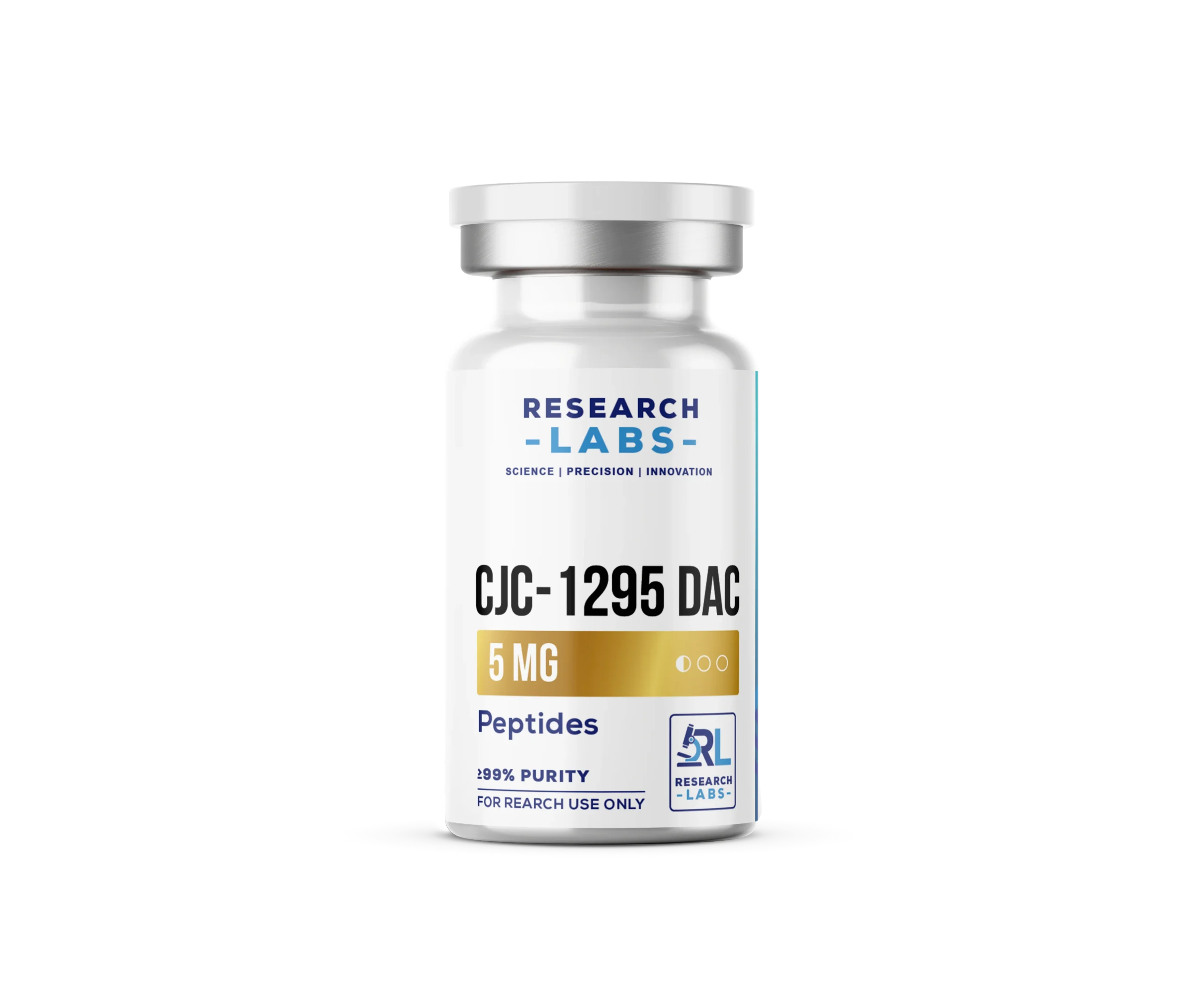
Before you compare purity numbers or shipping times, you need to understand the regulatory ground you are standing on. This section is general information, not legal advice. If your institution has a compliance officer, a biosafety committee, or legal counsel, involve them early.
The TGA and the Poisons Standard
The Therapeutic Goods Administration regulates therapeutic goods in Australia. Alongside it sits the Poisons Standard, formally the Standard for the Uniform Scheduling of Medicines and Poisons, which classifies substances into schedules that control how freely they can be supplied. States and territories then give effect to those schedules through their own medicines and poisons legislation.
Many peptides with known therapeutic applications are listed in Schedule 4, the prescription-only category. Approved peptide medicines reach patients through a prescriber and, where relevant, a pharmacy. Peptides sold "for research use only" have not been approved by the TGA and are not registered on the Australian Register of Therapeutic Goods, which is exactly why they cannot be marketed, supplied, or used as medicines. Law firm Mills Oakley's overview of recent TGA enforcement is a useful plain-English summary of how this plays out in practice.
Why the label is not a loophole
"Research use only" describes the lawful purpose of supply: in-vitro laboratory work by qualified researchers. It is not a wrapper that makes human or animal use acceptable. State legislation can make it an offence to possess or supply scheduled substances without authorisation, as the Law Society Journal's analysis of peptide law in NSW explains in detail.
For a buyer, the practical takeaway is simple. A supplier that genuinely operates on a research-use basis will say so clearly, restrict sales to adults purchasing for lawful research, and refuse to discuss dosing, administration, or therapeutic outcomes. A seller that winks at human use is not offering you more flexibility. It is exposing you to its own compliance risk.
Advertising and claims
The TGA has taken action against businesses that advertised peptides with health claims or references to serious conditions. That history is a useful filter. If a supplier's website, social media, or packaging talks about recovery, weight loss, anti-ageing, or performance, it is making representations that legitimate research suppliers avoid. Researchers involved in sport should also be aware that many peptides appear on the WADA Prohibited List, and Sport Integrity Australia administers anti-doping rules locally.
Bottom line: a compliant supplier sells research materials and documentation. It does not sell outcomes, protocols, or advice on use. Treat any deviation from that as a reason to look elsewhere.
How to Read a Peptide Certificate of Analysis
The certificate of analysis, or COA, is the single most important document in the buying process. It is the supplier's evidence that a specific batch was tested by a defined method and met a stated result. A COA that you cannot interpret is not much better than no COA at all, so it pays to know what you are looking at.
Identity, purity and the two-test rule
Most peptide COAs rely on two analytical techniques that answer different questions:
- High-performance liquid chromatography (HPLC) separates the components in a sample and reports what share of the signal belongs to the main peak. That share is the purity figure you see quoted, such as 98.6%.
- Mass spectrometry (MS) measures molecular mass and compares the observed value against the theoretical mass of the expected sequence. That is the identity check.
The two tests work as a pair. HPLC can tell you that one component dominates the vial. Only mass spectrometry tells you whether that component is the peptide you ordered. A certificate that reports a high purity number with no identity confirmation is, in effect, telling you that something in the vial is very pure, not that it is the right thing.
The fields that matter
When a COA lands in your inbox, work through it in this order:
| COA field | What to check |
|---|---|
| Batch or lot number | Matches the label on the vial you received, character for character |
| Product name and size | Matches what you ordered, including the stated mass per vial |
| HPLC purity | A specific percentage, ideally with the chromatogram and method attached |
| Mass spectrometry | Theoretical and observed mass listed and in close agreement |
| Testing laboratory | Named, with contact details, and ideally independent of the seller |
| Test date | Recent enough to be relevant to the batch currently in stock |
| Supporting data | Water content, counterion or net peptide content where reported |
Net peptide content and why the label mass is not everything
Lyophilised peptides are rarely pure peptide by weight. Residual water and counterions, such as trifluoroacetate or acetate left over from synthesis and purification, contribute to the mass in the vial. That means a vial labelled 10 mg may contain less than 10 mg of the peptide itself. If your experiment depends on accurate concentrations, look for net peptide content or water content on the certificate. If it is absent, do not assume that nominal mass equals dry, salt-free peptide.
Independent versus in-house testing
A certificate produced by the seller's own staff is not worthless, but it is weaker evidence than one produced by a laboratory with no commercial interest in the result. Where you can, favour suppliers whose reports name an external laboratory. In Australia, testing laboratories can be accredited by NATA against ISO/IEC 17025, the international standard for testing and calibration competence. Accreditation is not mandatory for every report you will see, but it is a meaningful signal when present.
Warning signs on a certificate
- Words like "conforms" or "passes" with no numerical result
- No batch number, or a batch number that never appears on any vial
- The same certificate used across multiple products or several years
- No named laboratory, no date, or a date that predates the batch
- Purity reported with no method and no chromatogram
- Identity claimed with no mass data at all
If you spot two or more of these on one document, ask the supplier for clarification before you order. A reputable seller will answer quickly and specifically.
Batch Traceability and Lab Results Pages
A great certificate is only useful if it describes the stock you will actually receive. This is where many suppliers fall short. They publish a single impressive report and leave it on the product page long after that batch has sold through.
Matching documents to current stock
The strongest approach separates two kinds of information. The product page tells you what you can check right now: name, size, price, stock status, and research-use terms. A dedicated lab results page lists each supplied report with its batch details, so you can see whether a document matches the stock currently being sold. RL Australia's lab results page is built around exactly that distinction, which makes it easier to verify a batch before you commit.
When you evaluate any supplier, ask three questions:
- Can I see which batch is currently being shipped for this product?
- Is there a report for that specific batch, and where is it published?
- If the batch changes between my order and dispatch, will I be told?
Why traceability matters for your records
The Australian Code for the Responsible Conduct of Research places weight on accurate records and the ability to trace how results were obtained. Recording the supplier, product, batch number, and certificate for every reagent you use is a small habit that pays off when a reviewer asks how you sourced your materials, or when you need to explain why two experiments disagree.
Traceability also protects you when something goes wrong. If a batch behaves unexpectedly, a documented lot number lets you check whether other researchers have reported issues, request re-analysis, or simply avoid that lot in future orders.
Local Supplier vs Overseas Import
Price comparison sites make overseas suppliers look tempting. The headline cost per milligram can be lower, and the catalogue can be enormous. The comparison changes once you add the risks that do not show up on the product page.
The border is not a formality
The TGA states that it works with the Australian Border Force to identify and stop unlawful imports of unapproved peptide products. The TGA has also published a warning about the risks of importing unapproved peptide products promoted online. For a researcher, a seized parcel means lost money, lost time, and possibly an awkward conversation with your institution.
| Factor | Australian supplier | Overseas supplier |
|---|---|---|
| Border exposure | Domestic dispatch, no import step for the buyer | Parcel may be inspected, held, or seized |
| Transit time | Typically days, with Australian tracking | Often weeks, with handovers between carriers |
| Temperature exposure | Shorter time in uncontrolled conditions | Longer time in transit hubs and customs |
| Pricing | Australian dollars, no conversion surprises | Currency conversion and possible extra fees |
| Consumer protections | Subject to Australian Consumer Law | Depends on the seller's jurisdiction |
| Support | Local business hours and contact routes | Time-zone gaps and slower resolution |
Consumer law and accountability
Buying from an Australian business means the transaction sits within the framework enforced by the ACCC. That does not override research-use terms or product-specific return conditions, but it does mean there is a local business, a physical address, and a legal system you can work within if a dispute arises. An anonymous storefront with an overseas payment processor offers none of that.
Storage, Shipping and Handling Questions
A peptide can leave the supplier at excellent purity and still arrive compromised if it is handled badly along the way. Stability depends on sequence, temperature, moisture, light, and time, so the questions you ask about logistics matter as much as the questions you ask about testing.
What good storage looks like
Manufacturer handling guides, such as GenScript's peptide storage guidelines and Merck's handling and storage guidelines for peptides and proteins, agree on a few fundamentals for lyophilised material: store it cold and dry, protect it from light, keep vials tightly capped, and avoid repeated freeze-thaw cycles. Sequences containing residues prone to oxidation or moisture uptake generally need more care.
You will not be able to inspect a supplier's warehouse, but you can ask how stock is stored before dispatch and how long typical inventory sits on the shelf. A supplier that has thought about this will have a clear answer.
Shipping terms to confirm
- Which addresses the supplier ships to, and whether it ships outside Australia
- How dispatch times are communicated, and when tracking is sent
- Whether outer packaging is plain and unbranded
- What happens if a parcel arrives damaged, incorrect, or incomplete
- Whether opened products can be returned, and under what conditions
These terms should be published, not negotiated case by case. RL Australia, for example, sets out Australia-wide dispatch, tracking emailed after dispatch, plain outer packaging, and its position on opened products in a single shipping and returns policy. Read the equivalent page for any supplier before you place an order, not after.
Accessories and consumables
Laboratory work with lyophilised peptides usually involves more than the peptide itself. Diluents, vials, and other consumables should come with the same level of documentation as the primary material. If you are sourcing an accessory such as bacteriostatic water for laboratory use, check the volume, the composition stated on the listing, and whether it is supplied under the same research-use terms. Keep relevant safety data sheets on file in line with Safe Work Australia guidance for hazardous chemicals in the workplace.
Website and Catalogue Transparency Signals
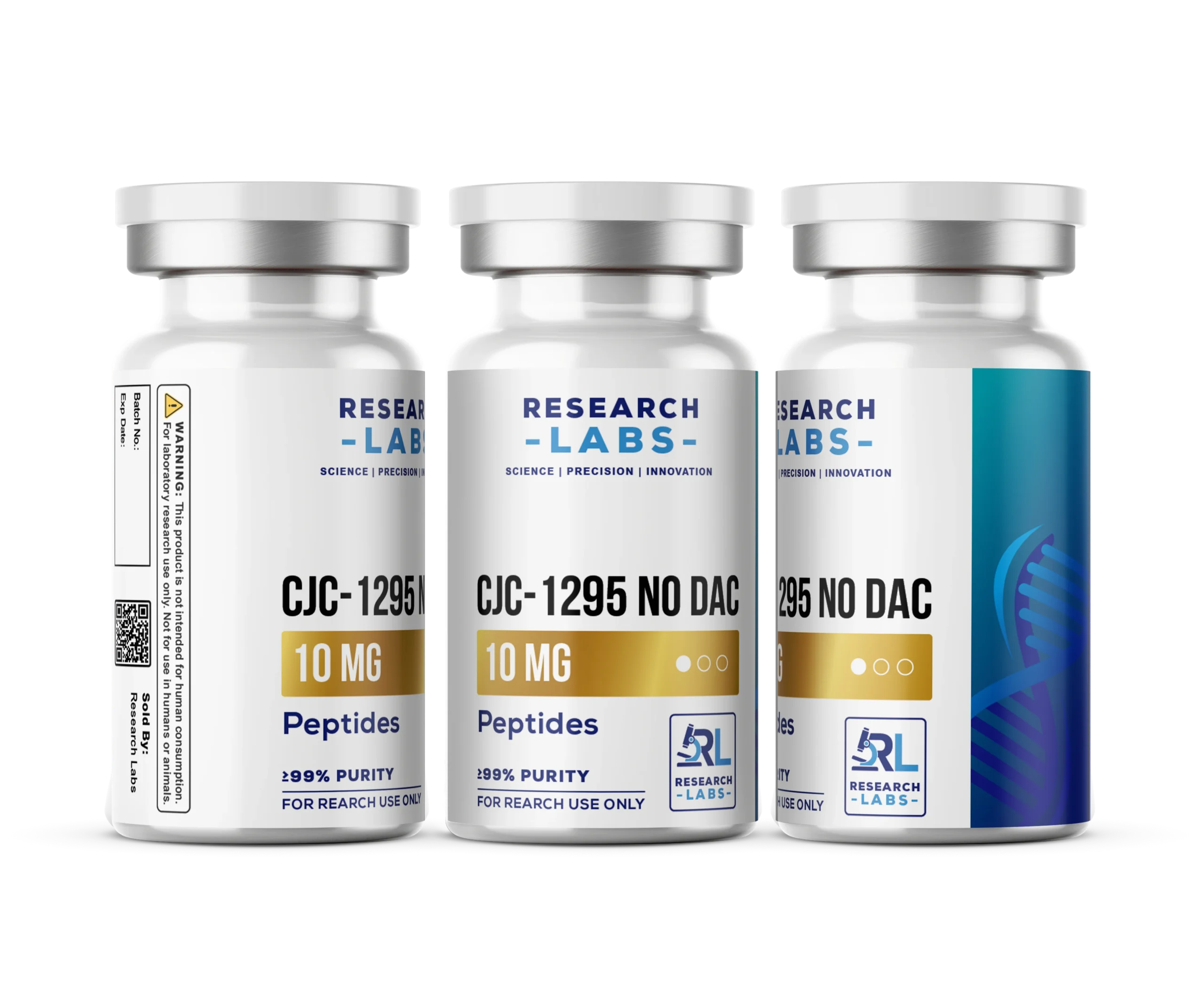
A supplier's website is the first piece of evidence you can examine, and it says more about the business than most buyers realise. Transparent suppliers make the right information easy to find. Opaque ones bury it, or leave it out entirely.
What the product page should show
- Exact product name and size per vial
- Current price in Australian dollars
- Live stock status rather than a static "in stock" badge
- A clear research-use statement
- A route to the relevant lab report or documentation status
- Links to shipping, returns, terms, and privacy policies
Availability changes as batches sell through, so a live catalogue is more useful than a downloaded price list or an old screenshot. RL Australia's research supplies catalogue lists sizes, prices, and stock status in one place and updates as availability changes.
Who is behind the business
Look for a real business name, an Australian address, a phone number, and an email address that someone actually answers. An about page that explains who the supplier is and what it does is a basic trust signal. So is a contact page with more than a web form. Test it: send a specific question about a batch and see how long it takes to get a specific answer.
Policies written for researchers
Good suppliers publish terms and conditions that spell out who can buy, for what purpose, and what the buyer confirms at checkout. They also maintain a FAQ page that answers ordering, testing, and research-use questions without hedging. If the only policy you can find is a generic template copied from another store, take note.
Red Flags That Should End the Conversation
Some warning signs are subtle. Others are obvious enough that they should stop the evaluation immediately. The most dangerous ones usually sound attractive because they promise convenience, savings, or certainty.
Claims and advice red flags
- Marketing that talks about human results such as healing, fat loss, muscle, or anti-ageing
- Dosing charts, "protocols," or reconstitution instructions framed for personal use
- Customer testimonials describing how a product made someone feel
- Before-and-after photos of any kind
- Influencer partnerships or discount codes tied to fitness content
Any of these signals that the seller is positioning research materials as consumer health products. That is precisely the conduct regulators have targeted, and it is a strong indicator that quality and compliance are secondary concerns.
Documentation red flags
- No certificates at all, or certificates only "available on request" and never delivered
- One certificate per product with no batch information
- Purity claims of 99% or higher across every product with no supporting data
- Reports from laboratories that cannot be found or contacted
- Reluctance to say which batch will ship
Commercial red flags
- Prices dramatically below every other supplier with no explanation
- Payment only by cryptocurrency, gift cards, or direct transfer to a personal account
- No physical address, no ABN, and no named business entity
- Shipping promises that ignore the realities of import controls
- Pressure tactics such as countdown timers or "last batch ever" claims
A single red flag is a reason to ask questions. Several together are a reason to walk away. There is no saving large enough to justify building a dataset on material you cannot verify.
A Practical Scorecard for Comparing Suppliers
When you have narrowed your options to two or three suppliers, score them against the same criteria. A scorecard keeps the decision grounded in evidence and reduces the influence of slick design or aggressive pricing.
| Criterion | Weight | What good looks like |
|---|---|---|
| Analytical documentation | 25% | Batch-specific COAs with HPLC purity, MS identity, named lab, and date |
| Batch traceability | 20% | Reports matched to current stock and published separately from listings |
| Research-use compliance | 20% | Clear research-only framing, age and purpose checks, no health claims or dosing advice |
| Logistics and handling | 15% | Domestic dispatch, tracking, sensible packaging, published returns policy |
| Catalogue transparency | 10% | Live prices in AUD, real stock status, exact sizes |
| Support and accountability | 10% | Australian business details, responsive contact routes, specific answers |
Score each supplier from one to five on every row, multiply by the weight, and add the results. You can adjust the weights to suit your lab, but do not drop the documentation or compliance rows. A supplier can be fast and cheap and still be the wrong choice if you cannot prove what you received.
How RL Australia Approaches These Checks
It is useful to see what these principles look like in an actual supplier. RL Australia, the trading name of RLabs Australia, is a Sydney-based supplier of research peptides and laboratory accessories. Its website is structured around the same checks this guide recommends, which makes it a practical reference point when you are comparing options.

Current catalogue details
Each listing in the research supplies catalogue shows the product name, size, current price in Australian dollars, and stock status. Because availability changes as batches sell through, the catalogue is the reference point rather than a static price list.
Documents shown with context
Supplied laboratory reports are published on the lab results page, separately from product listings. Each report notes its batch details, so you can see whether a document matches the stock currently being sold rather than assuming that any certificate applies to any vial.
Research-use framing
RL Australia supplies its products strictly for in-vitro laboratory research. They are not for human or animal use, buyers must be 18 or older and purchasing for lawful research, and the team does not advise on use, protocols, or quantities. Those conditions are stated across the site and in the terms and conditions, which is exactly the posture a compliant research supplier should take.
Shipping and support
Orders ship to Australian addresses only, with tracking emailed after dispatch and plain, unbranded outer packaging. Questions about orders, batches, or certificates of analysis go to an Australian team through the contact page, and common questions about ordering, testing, and research use are answered in the FAQ.
None of this replaces your own due diligence. Apply the same scorecard to RL Australia that you would apply to anyone else, check the current lab report against the batch you are buying, and keep your records. The point is that a supplier built for verification makes that process faster, not harder.
Building a Procurement SOP for Your Lab
Individual good decisions are useful. A written procedure is better, because it survives staff turnover, busy weeks, and the temptation to cut corners when a deadline is close. A short standard operating procedure for peptide procurement can be written in an afternoon and saves far more time than it costs.
Before the order
- Confirm the research purpose and that it falls within your approved project scope
- Check the current scheduling status of the substance with your compliance lead where relevant
- Shortlist suppliers using the scorecard and record the scores
- Download the current certificate for the batch in stock and file it with the order request
- Confirm shipping, returns, and research-use terms
On receipt
- Inspect packaging for damage and note the condition on arrival
- Match the batch number on every vial to the certificate on file
- Record the date received, storage location, and storage temperature
- Move material into appropriate storage promptly
- Contact the supplier immediately, with photos, if anything is wrong
During use
Maintain a simple log for each vial: product, batch number, date opened or reconstituted for laboratory work, solvent or diluent, storage conditions, and the experiments it supported. Aliquoting stock solutions into single-use portions, as manufacturer handling guides recommend, reduces freeze-thaw exposure and makes it easier to trace which material went into which run.
After the project
Dispose of unused material and consumables in line with your institution's chemical waste procedures. Keep procurement and batch records with the project data for the retention period your institution requires. If a batch performed poorly, note it in your supplier records so the next order benefits from what you learned.
Tip: keep a one-page supplier register for your lab with each supplier's name, ABN, address, contact, scorecard result, and the date it was last reviewed. Revisit it at least once a year.
FAQ
Are research peptides legal to buy in Australia?
Research peptides are supplied for in-vitro laboratory research by qualified buyers. Many peptides are Schedule 4 substances when used therapeutically, and "research use only" labelling does not make human or animal use lawful. Check current requirements with your institution's compliance team and the TGA before ordering. This is general information, not legal advice.
What purity should a research peptide have?
The right threshold depends on your application, but the number alone is not enough. Look for an HPLC purity figure with the method and chromatogram, paired with mass spectrometry confirming identity. A slightly lower figure with full supporting data is more trustworthy than a perfect-looking number with nothing behind it.
What is the difference between HPLC and mass spectrometry?
HPLC separates the components of a sample and estimates how much of it is the main compound, which gives you purity. Mass spectrometry measures molecular mass and compares it with the expected value, which gives you identity. A complete certificate reports both.
How do I know a COA matches the vial I received?
Compare the batch or lot number on the certificate with the number printed on the vial. They should match exactly. Suppliers that publish reports on a dedicated lab results page with batch details make this check quick.
Is it better to buy from an Australian supplier?
For most Australian labs, yes. Domestic dispatch avoids the import step, shortens transit time, keeps pricing in Australian dollars, and gives you a local business to deal with if something goes wrong. Overseas parcels can be held or seized at the border.
Can a supplier tell me how to use a peptide?
A compliant research supplier will not advise on use, protocols, or quantities. It supplies research materials and their documentation only. Experimental design belongs to your research team, your supervisors, and the published literature in your field.
What should I do if my order arrives damaged?
Contact the supplier as soon as possible with your order number and photos of the item and packaging. Do not open or use a compromised vial. Check the supplier's returns policy, since opened products usually cannot be returned.
Final Checklist Before You Order
Use this checklist with any research peptide supplier, whether it is a new vendor or one your lab has used for years.
Documentation
- A batch-specific certificate of analysis is available for the stock being sold.
- The certificate reports HPLC purity with method details and MS identity data.
- The testing laboratory and test date are named.
- Water, counterion, or net peptide content is reported where it matters for your work.
Traceability
- You know which batch will ship.
- Lab reports are published with batch details, separately from product listings.
- You will record the batch number against your experiments.
Compliance
- The supplier frames every product as research use only.
- There are no health claims, testimonials, or dosing advice anywhere on the site.
- Purchase conditions require buyers to be adults purchasing for lawful research.
- Your institution's requirements have been checked where relevant.
Logistics
- The supplier ships domestically with tracking.
- Shipping, returns, and damaged-item procedures are published.
- You have appropriate cold, dry storage ready on arrival.
Accountability
- The business has a name, an Australian address, and working contact routes.
- Terms, privacy, and returns policies are specific, not generic templates.
- A test enquiry received a specific answer in a reasonable time.
Conclusion
Choosing a research peptide supplier in Australia comes down to evidence. Look for certificates that pair purity with identity, documents that match the batch on the shelf, terms that keep everything firmly in the research-use lane, and logistics that keep material cold, dry, and moving quickly. The right supplier makes your starting material easier to trust and your records easier to defend. The wrong one creates problems that surface weeks later, in data you can no longer rely on.
Before you place your next order, confirm three things:
- The certificate of analysis is batch-specific and reports both HPLC purity and mass spectrometry identity
- That batch is the one currently being shipped
- The supplier sells research materials and documentation only, with no claims or advice about use
If you are comparing options now, start with a supplier whose catalogue, lab results, and policies are all published in the open. Browse the RL Australia research supplies catalogue, check the current lab results, and score it against the same criteria you apply to everyone else. Decide on documentation rather than promises, and your research will be stronger for it.
References
- Therapeutic Goods Administration
- TGA: The Poisons Standard and scheduling of medicines and chemicals
- TGA: Warning about the risks of importing unapproved peptide products
- Mills Oakley: Peptides in Australia, recent TGA enforcement action
- Law Society Journal: Injectable peptides, where does the law stand?
- Australian Border Force
- NATA: National Association of Testing Authorities
- ISO/IEC 17025: Testing and calibration laboratories
- GenScript: Peptide storage and handling
- Merck: Handling and storage guidelines for peptides and proteins
- NHMRC: Australian Code for the Responsible Conduct of Research
- WADA: Prohibited List
- Sport Integrity Australia
- Australian Competition and Consumer Commission
- Safe Work Australia
Sourcing for your lab?
Browse research supplies with live stock and batch documents.
BROWSE SUPPLIES
Vince is a digital marketing specialist, event host, and content creator based in Davao City, Philippines. Known for blending creativity, communication, and strategy, he helps brands and organizations strengthen their digital presence through compelling content and smart marketing practices. He specializes in SEO, content creation, social media management, pay-per-click advertising, and email marketing—turning ideas into content that builds visibility and helps businesses grow online. Outside of work, he loves to watch Netflix on weekends.


